
Beauty Tips Well Health Organic for Glowing Skin


Healthy-looking skin does not always require a complicated routine or a cabinet filled with expensive products. A simple approach built around gentle cleansing, hydration, sun protection, balanced nutrition, and carefully chosen natural ingredients can make a noticeable difference over time.
The idea behind beauty tips well health organic is to support your appearance through habits that are practical, skin-friendly, and focused on long-term wellness. Organic and plant-based beauty products can be useful, but the real foundation of good skin usually comes from consistency rather than chasing quick fixes.
This guide covers natural beauty tips for skin, hair, lifestyle, diet, and daily self-care, while also explaining what to avoid when building an organic beauty routine.
What Does Beauty Tips Well Health Organic Mean?
Beauty tips well health organic generally refers to beauty practices that combine personal wellness with natural or organically sourced skincare and haircare methods.
Instead of focusing only on cosmetics, this approach looks at several areas together:
- Gentle skincare
- Natural ingredients
- Healthy food choices
- Proper hydration
- Quality sleep
- Stress management
- Hair and scalp care
- Sun protection
- Consistent daily habits
The goal is not to replace every conventional beauty product with a homemade alternative. It is to build a routine that supports healthy skin and hair without unnecessary complexity.
Why Natural Beauty Habits Matter
Your skin and hair are affected by more than the products you apply to them. Diet, sleep, hormones, climate, stress, hydration, and environmental exposure can all influence how you look and feel.
A good beauty routine should therefore work from both the inside and outside.
Natural beauty habits may help you:
- Maintain skin hydration
- Protect the skin barrier
- Reduce unnecessary irritation
- Keep hair and scalp comfortable
- Support a more even-looking complexion
- Reduce dependence on excessive products
- Create a sustainable self-care routine
Natural does not automatically mean safer or better, but simple routines are often easier to maintain consistently.
Start With a Simple Daily Skincare Routine
One of the most effective beauty tips is also one of the simplest: avoid overcomplicating your skincare routine.
Your skin usually needs a few basic steps.
Cleanse Gently
Cleansing helps remove sweat, excess oil, makeup, sunscreen, and environmental debris.
Choose a gentle cleanser that suits your skin type. Washing too aggressively or using harsh soaps can make the skin feel dry, tight, or irritated.
For most people, cleansing once in the evening and optionally in the morning is enough.
Keep the Skin Moisturized
Moisturizer helps reduce water loss from the skin and supports the natural skin barrier.
Look for formulas containing ingredients such as:
- Aloe vera
- Glycerin
- Shea butter
- Squalane
- Jojoba oil
- Ceramides
- Hyaluronic acid
People with oily skin still need hydration. A lightweight gel or lotion may simply be more comfortable than a heavy cream.
Never Ignore Sun Protection
Sun exposure is one of the biggest external factors affecting skin appearance over time.
Daily sunscreen helps protect against sunburn, premature skin aging, uneven pigmentation, and other forms of UV-related damage.
Even if you prefer an organic-focused beauty routine, sunscreen should remain an essential part of your daily skincare habits.
Best Natural Ingredients for Healthy-Looking Skin
A number of plant-based ingredients are commonly used in natural beauty products.
Aloe Vera
Aloe vera is popular in skincare because of its cooling and moisturizing properties.
It may be useful for:
- Hydrating the skin
- Soothing temporary dryness
- Supporting a comfortable skin feel
- Calming skin after sun exposure
Choose simple aloe-based products without excessive fragrance if your skin is sensitive.
Jojoba Oil
Jojoba oil has a lightweight texture and is commonly used as a facial and body moisturizer.
It can work well for dry or combination skin because it helps soften the skin without feeling extremely heavy.
Coconut Oil
Coconut oil is widely used for hair and body care.
It can be useful for:
- Moisturizing dry body skin
- Conditioning dry hair
- Reducing roughness on elbows and heels
However, coconut oil may clog pores for some people, so it is not always ideal as a facial moisturizer, especially for acne-prone skin.
Rose Water
Rose water is often used as a refreshing facial mist or toner.
Its main benefit is usually the soothing experience and light hydration it provides. People with fragrance sensitivity should still test it carefully before regular use.
Shea Butter
Shea butter is rich and deeply moisturizing.
It works particularly well for:
- Dry skin
- Hands
- Feet
- Lips
- Elbows
- Dry patches
Because of its heavier texture, people with oily facial skin may prefer using it mainly on the body.
Green Tea
Green tea contains naturally occurring antioxidant compounds and appears in many skincare formulations.
Products containing green tea may be useful for people who want gentle antioxidant skincare without complicated routines.
Natural Skincare Ingredients Compared
| Ingredient | Best Use | Suitable For | Main Benefit |
|---|---|---|---|
| Aloe vera | Face and body | Most skin types | Light hydration and soothing |
| Jojoba oil | Face and body | Dry and combination skin | Softens and moisturizes |
| Coconut oil | Hair and body | Dry hair and body skin | Deep moisturization |
| Shea butter | Body and dry areas | Very dry skin | Rich moisture |
| Rose water | Face mist or toner | Normal and dry skin | Refreshing hydration |
| Green tea | Facial skincare | Most skin types | Antioxidant support |
| Oat-based products | Face and body | Sensitive or dry skin | Gentle soothing care |
Organic Beauty Tips for Glowing Skin
Healthy-looking skin usually comes from consistency rather than one miracle ingredient.
Drink Enough Water
Hydration supports many normal functions in the body.
While drinking water alone will not instantly remove acne or wrinkles, dehydration can leave you feeling tired and may make the skin appear less fresh.
Drink regularly throughout the day instead of relying on sugary beverages.
Eat More Whole Foods
A balanced diet provides nutrients your body uses for normal skin and hair maintenance.
Try including:
- Leafy vegetables
- Berries
- Citrus fruits
- Avocados
- Nuts
- Seeds
- Eggs
- Fish
- Beans
- Whole grains
Rather than searching for one “beauty food,” focus on overall dietary variety.
Reduce Excess Sugar
Frequently consuming large amounts of sugary drinks, desserts, and heavily processed foods may not support your broader health goals.
You do not need to eliminate every treat. The goal is simply to make whole foods the foundation of your regular diet.
Get Consistent Sleep
Sleep affects both physical recovery and appearance.
Poor sleep can make dark circles, puffiness, and tired-looking skin appear more noticeable.
Most adults benefit from maintaining a consistent sleep schedule rather than sleeping at dramatically different times every day.
Beauty Tips Well Health Organic for Different Skin Types

Different skin types need different approaches.
Oily Skin
People with oily skin often make the mistake of trying to remove every trace of oil.
Over-cleansing can sometimes leave the skin feeling irritated.
A simple routine may include:
- Gentle cleanser
- Lightweight moisturizer
- Non-comedogenic sunscreen
- Mild exfoliation when needed
Avoid applying heavy oils to the face unless you already know your skin tolerates them well.
Dry Skin
Dry skin usually benefits from moisture preservation.
Try:
- Cream-based cleansers
- Rich moisturizers
- Shea butter on very dry areas
- Lukewarm rather than very hot water
- Moisturizing immediately after bathing
Sensitive Skin
Sensitive skin often reacts better to fewer ingredients.
Choose fragrance-free or minimally fragranced products and introduce new products gradually.
Patch testing can also help identify potential irritation before applying something across your entire face.
Combination Skin
Combination skin may be oily in some areas and dry in others.
Instead of treating the entire face the same way, use lighter products on oily areas and extra moisturizer where dryness occurs.
Natural Hair Care Tips
Beauty is not limited to skincare. Healthy-looking hair also depends on how you treat the scalp and hair fibers.
Avoid Excessive Washing
Washing frequency depends on hair type, scalp oil production, climate, and styling habits.
Very frequent shampooing may leave some hair types feeling dry, while infrequent washing may cause buildup for others.
Find a schedule that keeps your scalp clean without making the hair unnecessarily dry.
Use Oils Carefully
Natural oils can help condition dry hair.
Popular options include:
- Coconut oil
- Argan oil
- Jojoba oil
- Olive oil
Apply a small amount mainly to the mid-lengths and ends rather than saturating the scalp.
Reduce Heat Damage
Hair dryers, curling tools, and straighteners can gradually weaken hair when used at high temperatures.
Reduce unnecessary heat and use protective products when styling regularly.
Trim Damaged Ends
Regular trimming does not make hair grow faster from the scalp, but it can remove split ends and make hair look healthier and more manageable.
Simple Organic Hair Mask
A basic moisturizing hair treatment does not need many ingredients.
You can apply a small amount of coconut or olive oil to dry hair before washing. Leave it on briefly and shampoo thoroughly afterward.
People with fine or naturally oily hair should use very small amounts to prevent heaviness.
Natural Beauty Tips for Lips
Dry lips are common, particularly during cold weather or in air-conditioned environments.
Helpful habits include:
- Using a simple lip balm
- Avoiding repeated lip licking
- Applying petroleum jelly or shea butter before bed
- Staying hydrated
- Protecting lips from strong sunlight
Avoid aggressively scrubbing cracked lips because it can make irritation worse.
Natural Beauty Tips for Hands and Feet
Hands and feet often receive less attention even though they are regularly exposed to washing, weather, and friction.
For softer skin:
- Moisturize after washing
- Use thicker cream before bed
- Apply shea butter to rough areas
- Wear gloves when using cleaning chemicals
- Avoid extremely hot water
- Gently remove rough skin rather than over-scrubbing
Exfoliation: Less Is Often Better
Exfoliation removes dead cells from the skin’s surface, but excessive exfoliation can damage the skin barrier.
Common signs of over-exfoliation include:
- Redness
- Burning
- Increased sensitivity
- Dryness
- Tightness
- Peeling
For many people, exfoliating once or twice a week is sufficient.
People with sensitive skin may need even less.
Do Homemade Beauty Remedies Really Work?
Homemade skincare can be appealing because the ingredients are familiar and inexpensive.
However, not everything found in the kitchen belongs on your face.
Some DIY beauty remedies can cause irritation, dryness, or allergic reactions.
Be especially cautious with:
- Undiluted lemon juice
- Baking soda
- Strong essential oils
- Toothpaste
- Harsh sugar scrubs
- Raw spices
- Undiluted apple cider vinegar
A product being natural does not automatically mean it is suitable for skin.
Organic vs Conventional Beauty Products
Organic products can be a good choice for people who prefer naturally derived ingredients, but conventional products should not automatically be considered harmful.
The better question is whether a product is:
- Appropriate for your skin type
- Properly formulated
- Comfortable to use
- Free from ingredients that irritate your skin
- Used according to directions
- Suitable for your personal needs
Both natural and conventional products can fit into a healthy beauty routine.
How to Choose Organic Beauty Products
Organic skincare labels can sometimes be confusing.
Before buying, check more than the front of the packaging.
Read the Ingredient List
The ingredient list tells you more than marketing claims.
Look for products with formulas that match your actual needs rather than products that simply contain trendy ingredients.
Avoid Unnecessary Fragrance
Fragrance does not cause problems for everyone, but people with sensitive skin may prefer fragrance-free options.
Check the Packaging
Some natural ingredients degrade when exposed to air, heat, or light.
Products packaged in opaque or air-restrictive containers may remain stable longer than formulas stored in open jars.
Test New Products Gradually
Do not introduce five new skincare products at the same time.
If irritation develops, it becomes difficult to identify which product caused it.
Add products one at a time and give your skin time to adjust.
Lifestyle Habits That Support Natural Beauty
Skincare products can only do so much.
Your overall lifestyle can influence your appearance as well.
Helpful habits include:
- Sleeping consistently
- Exercising regularly
- Managing stress
- Drinking sufficient fluids
- Eating balanced meals
- Limiting smoking
- Avoiding excessive alcohol
- Protecting skin from the sun
- Removing makeup before sleeping
- Washing pillowcases regularly
These habits may sound basic, but they often matter more than adding another trendy beauty product.
Common Organic Beauty Mistakes
Even a natural beauty routine can become harmful when products are used incorrectly.
Using Too Many Oils
Applying multiple heavy oils can make some skin types feel congested.
More moisture does not always mean better results.
Believing Natural Means Allergy-Free
Plant extracts and essential oils can still trigger allergic reactions or irritation.
Always introduce unfamiliar ingredients cautiously.
Changing Products Too Quickly
Many people change products every few days because they expect instant results.
Skincare usually requires consistency.
Ignoring Sunscreen
Natural oils and moisturizers cannot replace proper sun protection.
Copying Someone Else’s Routine
A routine that works perfectly for another person may not work for your skin type.
Build your routine around your own skin rather than social media trends.
A Simple Morning Organic Beauty Routine
A practical morning routine may look like this:
- Cleanse gently or rinse with water.
- Apply a lightweight moisturizer.
- Add antioxidant skincare if desired.
- Apply broad-spectrum sunscreen.
- Use lip balm.
- Drink water and eat a balanced breakfast.
The routine does not need to contain ten steps.
A Simple Night Beauty Routine
Your evening routine should focus on cleansing and restoring moisture.
- Remove makeup and sunscreen.
- Cleanse the skin gently.
- Apply any targeted skincare treatment.
- Use moisturizer.
- Apply lip balm.
- Moisturize hands and dry body areas.
- Keep your sleeping environment comfortable.
Consistency matters much more than complexity.
How Long Does a Natural Beauty Routine Take to Show Results?
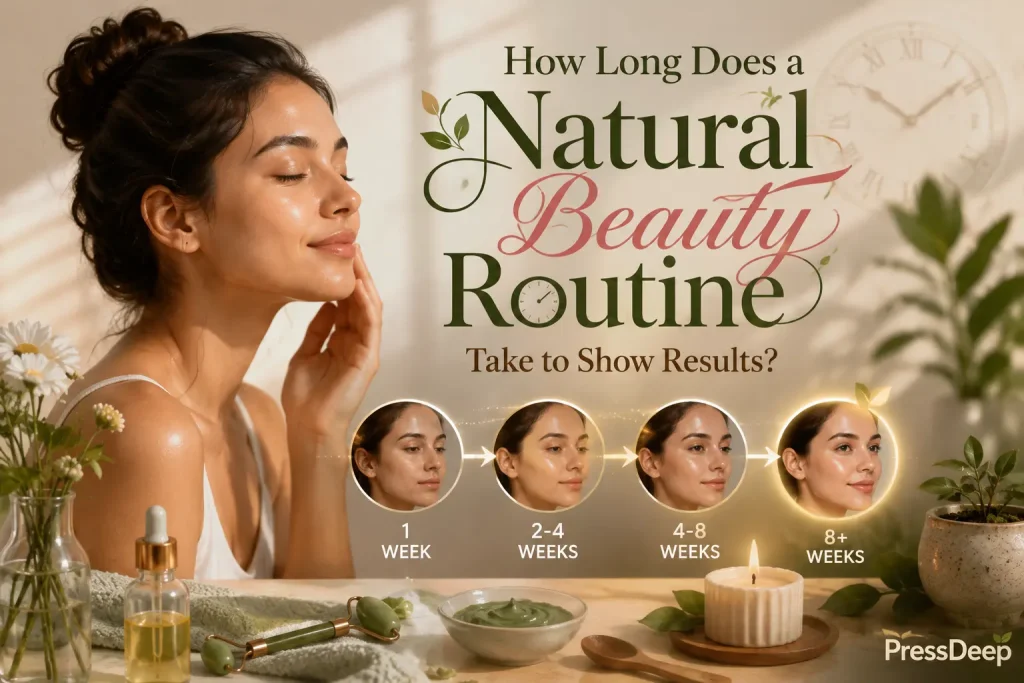
Some changes, such as improved hydration, may become noticeable relatively quickly.
Other concerns require more time.
Skin renewal happens gradually, so give a routine several weeks before deciding whether it works, unless the product causes irritation.
Hair improvements can take even longer because hair grows slowly.
The best approach is to track progress rather than continuously switching products.
When Natural Remedies Are Not Enough
Natural beauty routines are useful for general maintenance, but certain problems should be evaluated professionally.
Consider seeing a dermatologist or healthcare professional if you experience:
- Severe or persistent acne
- Painful cysts
- Sudden hair loss
- Persistent scalp irritation
- Severe eczema
- Repeated allergic reactions
- Changing moles
- Unexplained skin discoloration
- Skin infections
Professional treatment and natural self-care can exist together.
Frequently Asked Questions
What are the best beauty tips well health organic practices?
The most practical habits include gentle cleansing, daily moisturizing, sunscreen, good hydration, balanced nutrition, consistent sleep, and carefully selected natural skincare ingredients.
Which natural ingredient is best for glowing skin?
There is no single best ingredient for everyone. Aloe vera, jojoba oil, green tea, and moisturizing plant-based ingredients can support healthy-looking skin depending on your skin type.
Can I use coconut oil on my face every day?
Coconut oil can be too heavy for some facial skin types and may contribute to clogged pores. It is often better suited to dry body skin and hair.
Is organic skincare better than regular skincare?
Not necessarily. Product formulation, skin compatibility, and correct use are more important than whether a product is labeled organic.
How can I make my skin glow naturally?
Maintain hydration, protect your skin from sunlight, eat nutritious foods, sleep consistently, avoid harsh skincare products, and keep your routine simple.
Are homemade face masks safe?
Some can be gentle, but others may irritate the skin. Avoid highly acidic ingredients, harsh scrubs, baking soda, and undiluted essential oils.
How often should I exfoliate my skin?
Many people do well with exfoliation once or twice per week. Sensitive skin may require less frequent exfoliation.
Can natural beauty remedies remove acne permanently?
Natural remedies cannot guarantee permanent acne removal. Mild acne may improve with appropriate skincare, while persistent or severe acne may require professional treatment.
Does drinking water improve skin?
Adequate hydration supports overall health and can help prevent dehydration, but drinking more water alone will not solve every skin concern.
What should beginners include in an organic beauty routine?
Start with a gentle cleanser, moisturizer, sunscreen, lip care, balanced diet, hydration, and one or two carefully selected natural ingredients rather than using many products at once.
Conclusion
Following beauty tips well health organic does not mean replacing every product in your bathroom with homemade mixtures or expensive organic alternatives. The most effective approach is usually much simpler.
Clean your skin gently, keep it moisturized, protect it from the sun, nourish your body with balanced foods, sleep consistently, manage stress, and introduce natural ingredients only when they genuinely serve a purpose.
Aloe vera, jojoba oil, shea butter, green tea, and other plant-based ingredients can support a beauty routine, but they work best as part of healthy daily habits rather than as miracle solutions.
The secret to naturally healthy-looking skin and hair is not doing more. It is choosing suitable products, avoiding unnecessary irritation, and staying consistent with habits your body can benefit from over time.
You May Also Like